
Open-Closed Pool
Open-Closed Pool Construction
Our pool projects feature modern design, high quality materials and professional craftsmanship.
Pool Construction Services
Service Categories
- 01
New Pool Construction
We handle the entire process from design to permits, construction and inspection.
- 02
Pool Renovation
We modernize old and poorly maintained pools to current standards.
- 03
Repairs and Maintenance
Regular maintenance services to ensure water clarity, filtration systems and structural integrity.
From Our Pool Projects
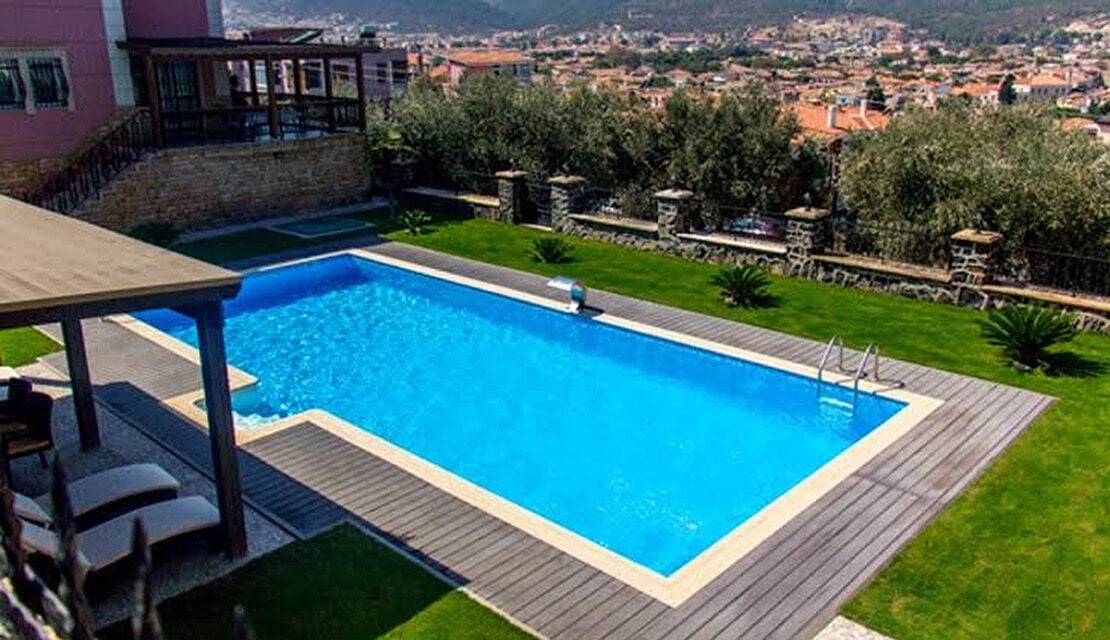
Garden Pool with a View
Outdoor pool framed by a wooden deck
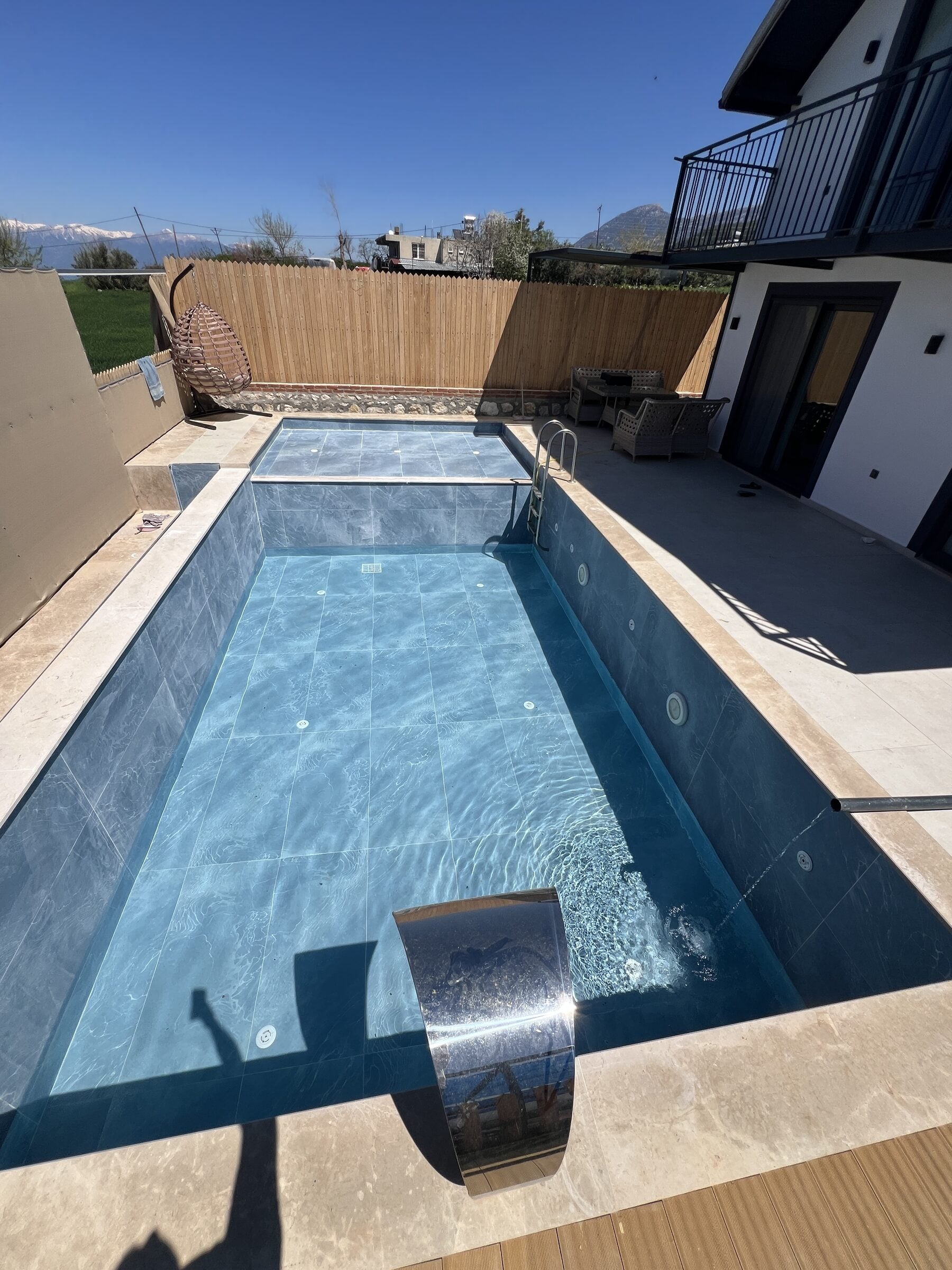
Private House Pool
Long narrow pool with waterfall spout
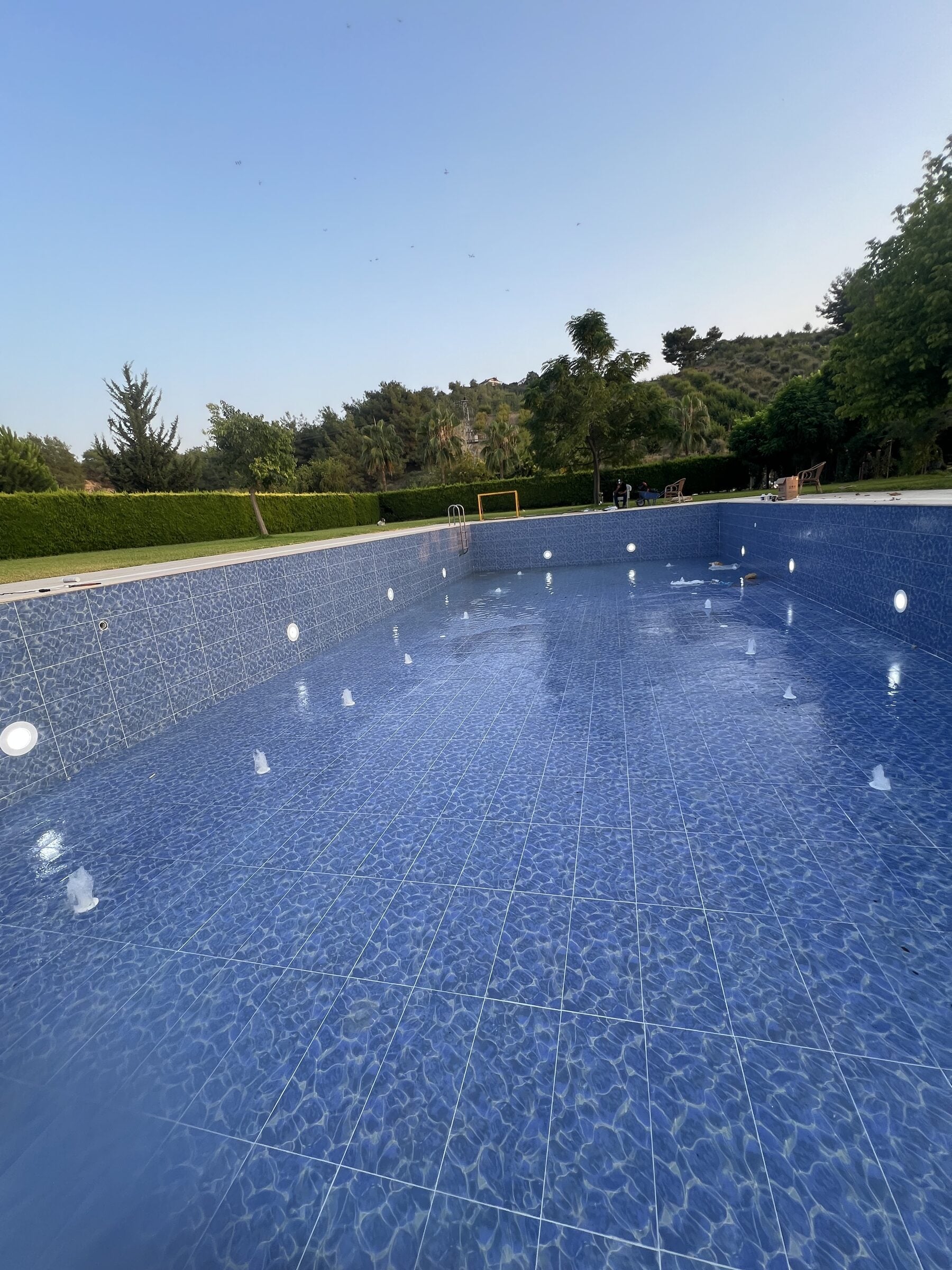
Overflow Outdoor Pool
Large mosaic-tiled pool
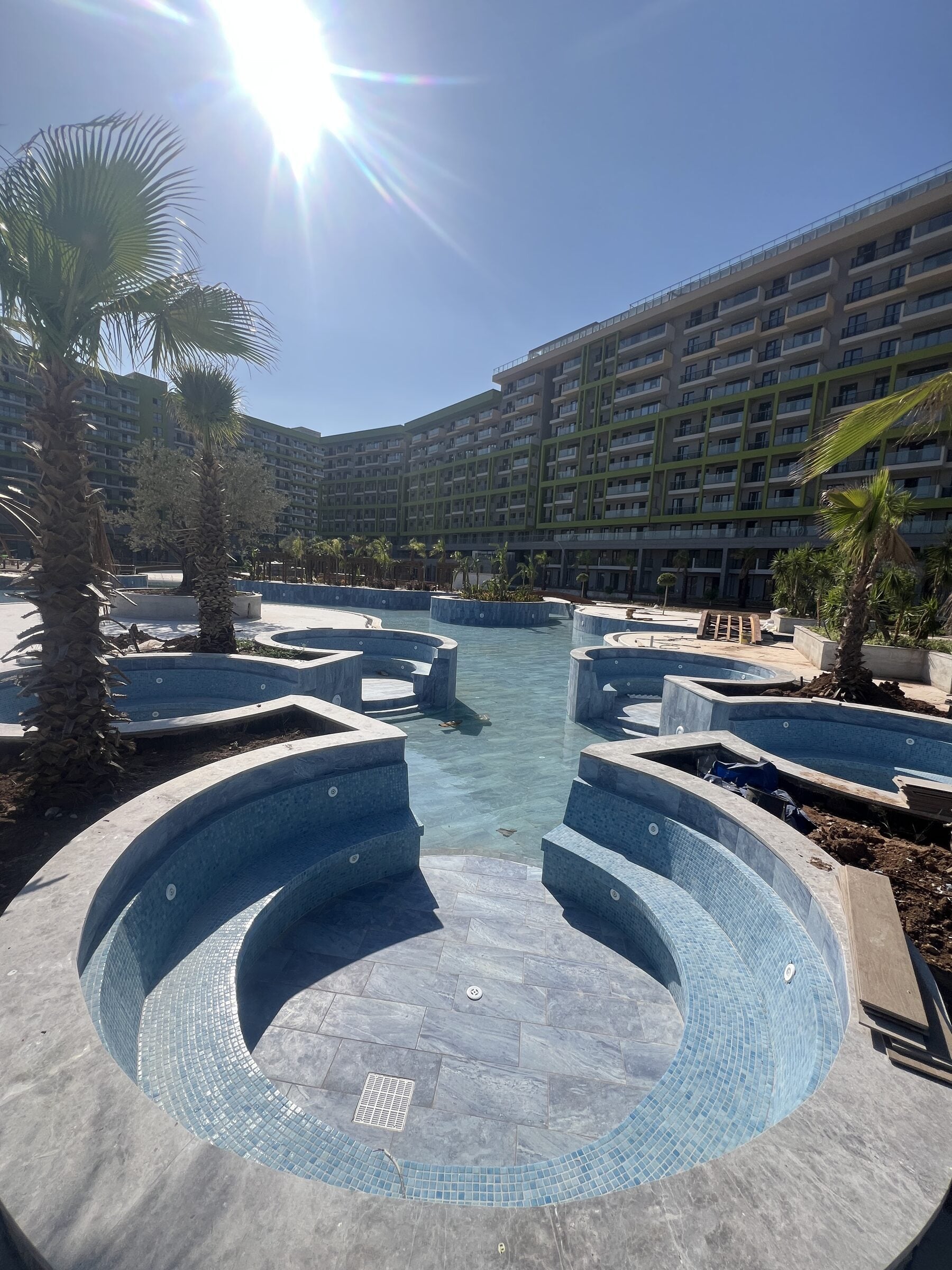
Hotel Pool
Circular pool with seating steps
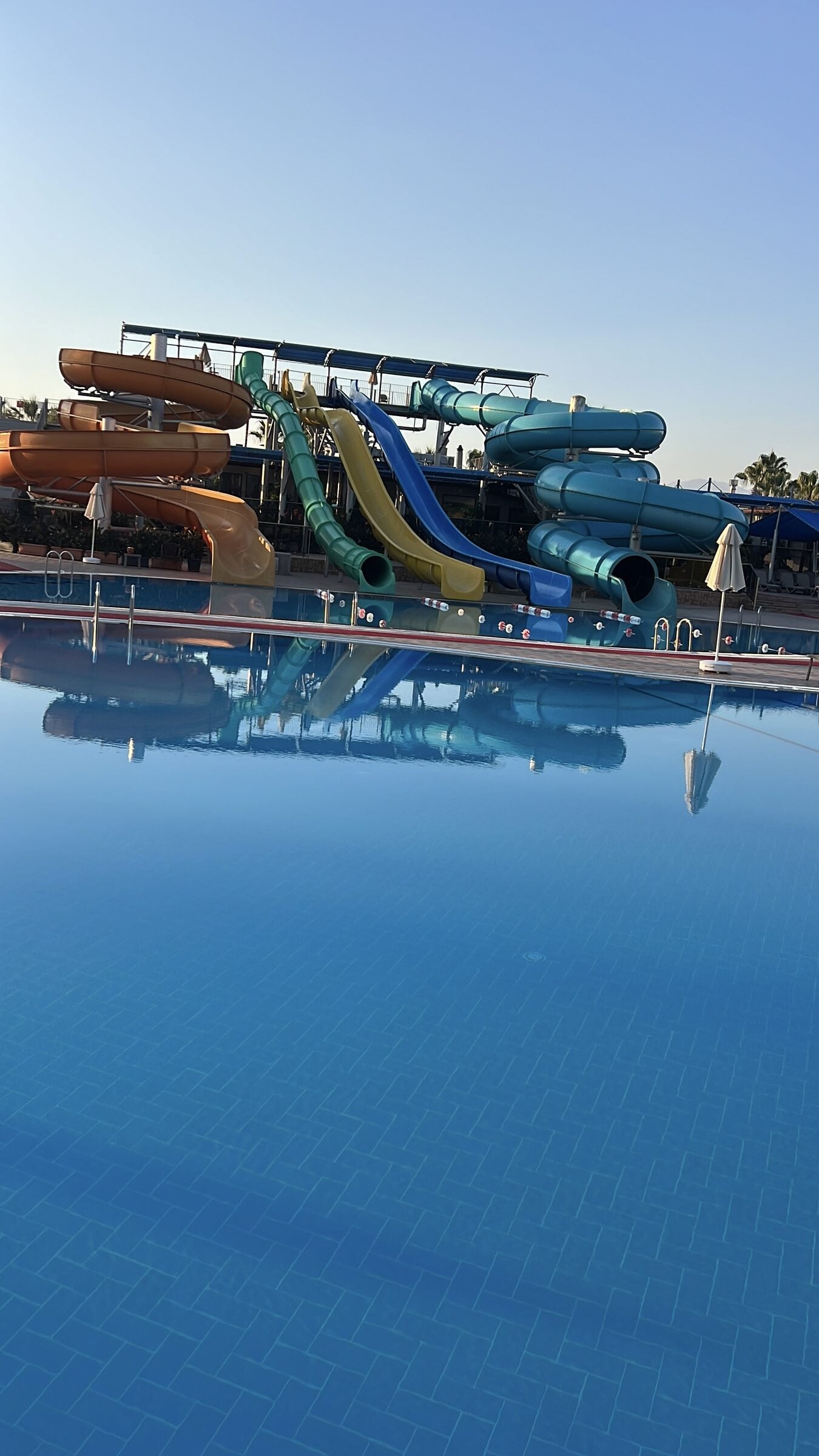
Aquapark Pool
Resort pool with water slides
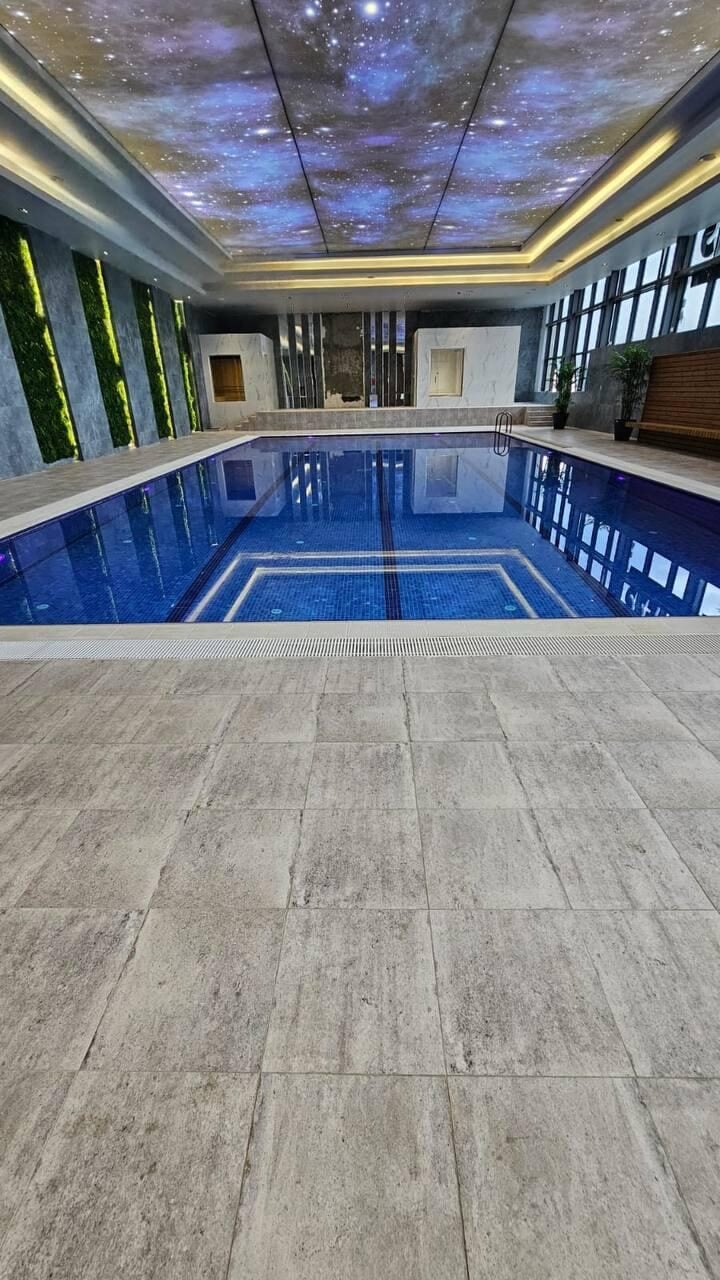
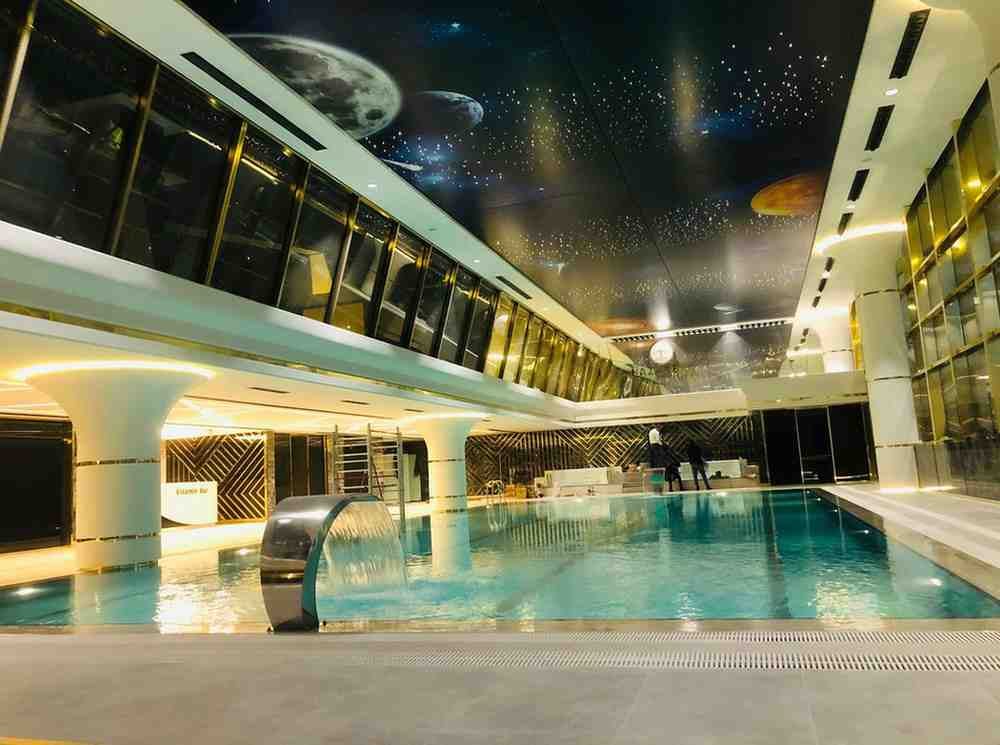
Indoor Pool
With starry ceiling lighting
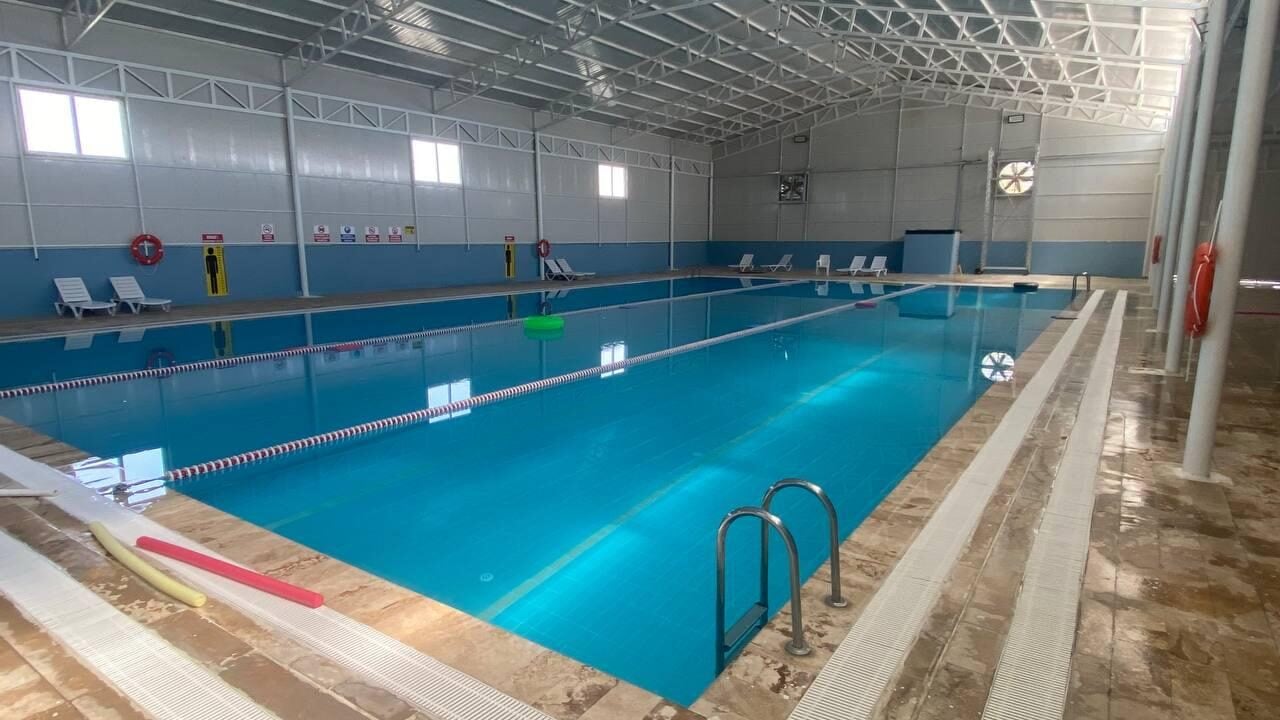
Indoor Sports Pool
Lane pool for swimming
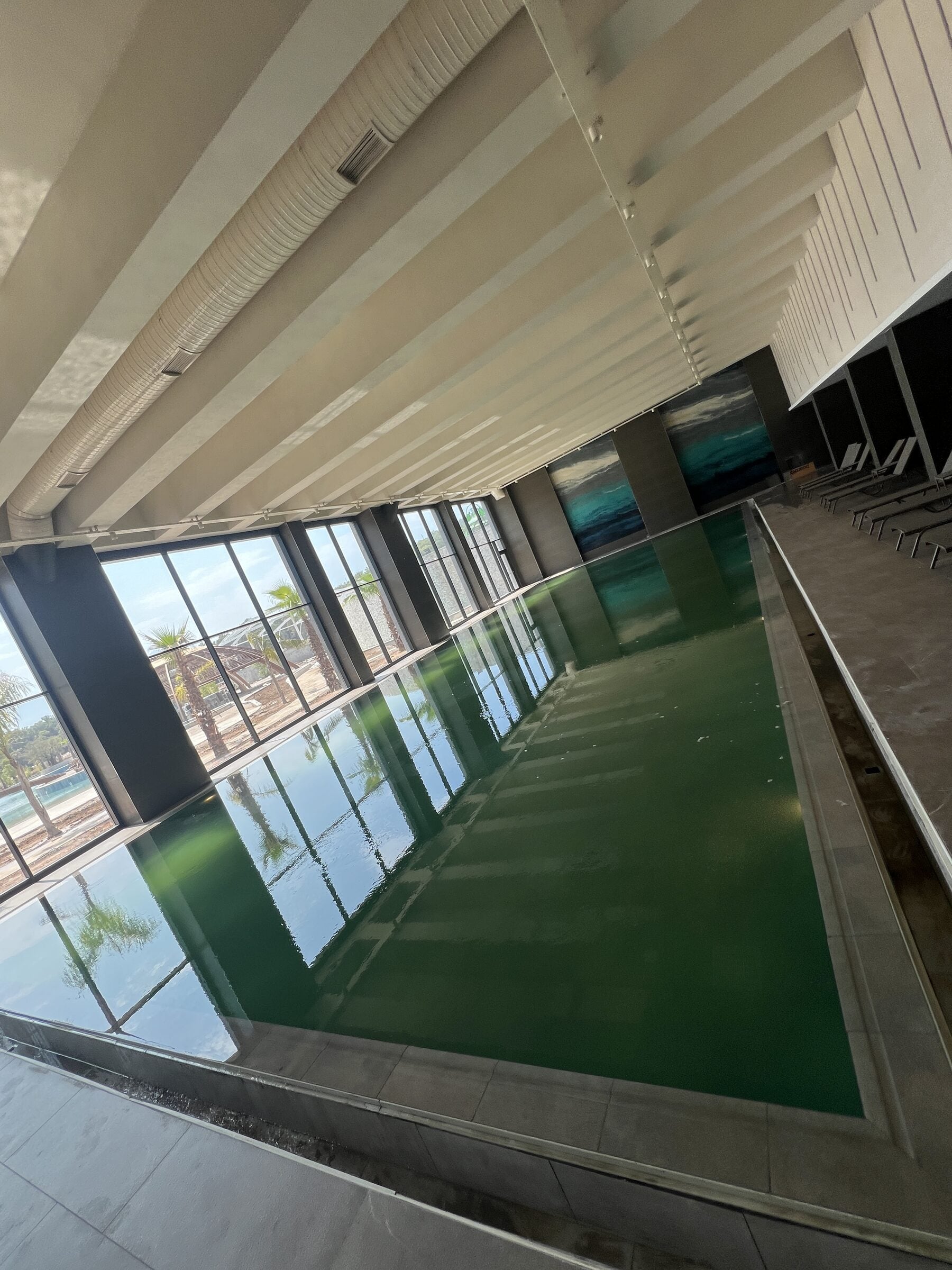
Glass-Front Indoor Pool
Daylit indoor pool
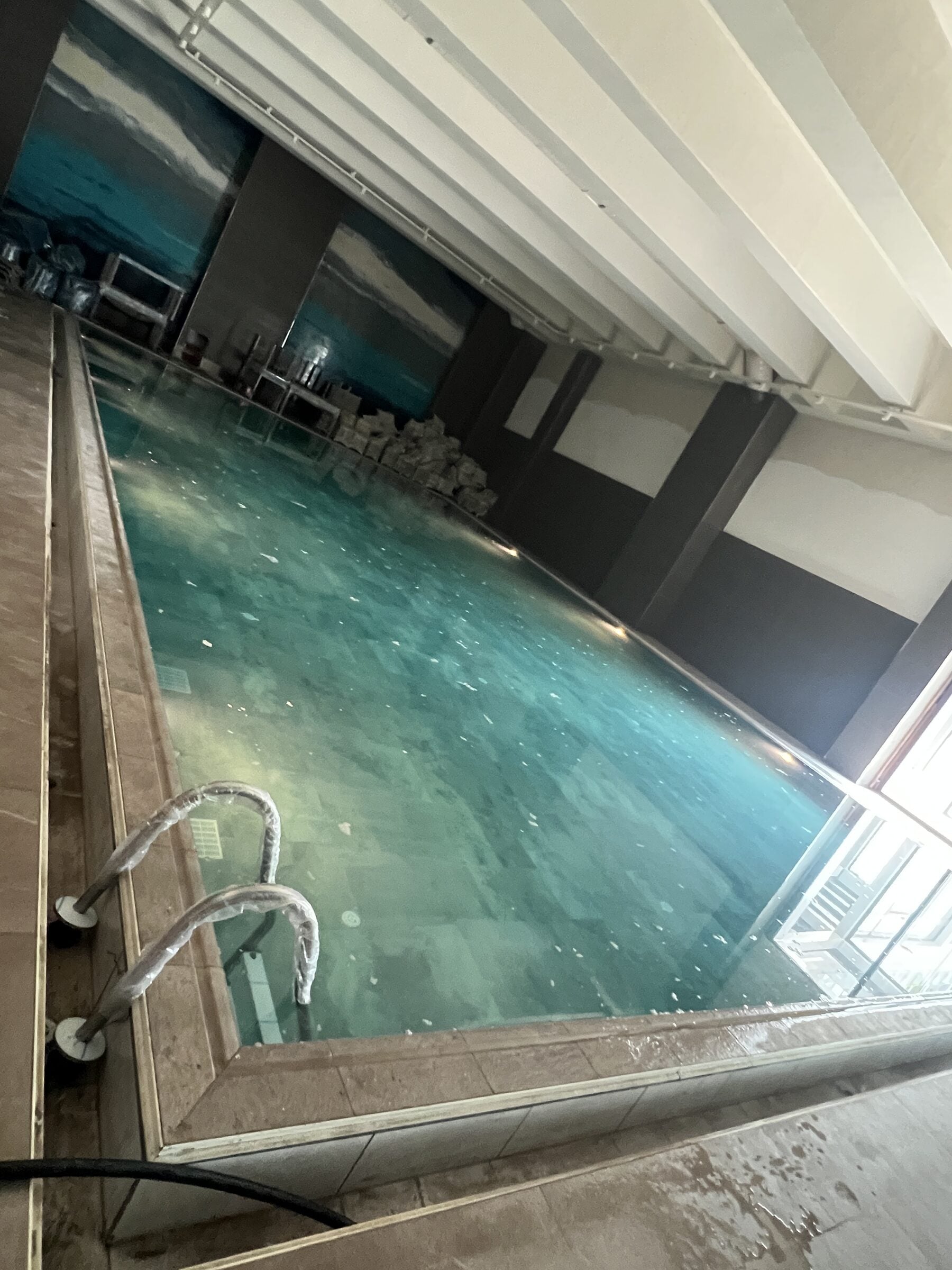
Spa Pool
Indoor overflow pool
Already Have a Pool?
Pool Design and Features
- 01
Modern Design
Contemporary design that combines aesthetics and functionality
- 02
Durable Materials
High quality materials that are long-lasting and low-maintenance
- 03
Safety
Design compliant with international safety standards
- 04
Energy Efficiency
Modern technology providing low operating costs
- 05
Eco-Friendly
Environmentally friendly design and sustainable methods
- 06
Professional Installation
Careful installation by our expert team
Why Us?
- 15+
Years of Experience
Experience gained since the company was established in the pool sector
- 100+
Completed Projects
Hundreds of successfully completed pool projects
- 3rd Gen
Family Business
Knowledge and experience passed down through generations
Frequently Asked Questions
How long does it take to build a pool?
For reinforced concrete pools, a typical timeline is about 30–60 days once permits are in place. Excavation and the concrete shell take longest; because of concrete curing, this stage alone can take two to three weeks. Size, ground conditions, weather and finish type change the timeline.
What are the stages of pool construction?
Design and measurement, excavation, rebar and formwork, concrete pouring and curing, waterproofing, finishing (ceramic, mosaic or membrane), filter and pump plumbing, and finally filling and chemical balancing.
Does a pool count towards the floor area ratio (emsal) or need a permit in Türkiye?
Under Türkiye’s Planned Areas Zoning Regulation, open pools that meet the conditions are excluded from the floor area ratio. Being excluded does not mean no permission is needed; for the exact rule, consult your municipality’s zoning office or the project architect.
What temperature should pool water be?
In Türkiye, the Ministry of Health regulation requires 26–28 °C for commercial pools. Private home pools fall outside this regulation, but the same range is a good starting point.
What should chlorine and pH levels be in a pool?
Regulation values for commercial pools in Türkiye: free chlorine 1–1.5 mg/L in indoor pools and 1–3 mg/L in outdoor pools; pH 6.5–7.8. International recommendations point to a pH of 7.2–7.8, where disinfection works efficiently and eye and skin irritation is reduced. Levels should be measured with a test kit before use.
How is an indoor pool heated?
Common methods are heat pumps, a heat exchanger connected to a boiler, solar collectors and electric heaters. Indoor pools also need the humidity removed from the room air, so pool heating is usually planned together with dehumidification and ventilation.
What is the difference between an overflow pool and a skimmer pool?
In a skimmer pool the water sits a few centimetres below the edge; skimmer openings in the wall draw surface water to the filter. In an overflow (deck-level) pool the water is level with the edge, spills into a grated perimeter channel and reaches the filter through a balance tank. Overflow systems clean the surface better and are common in hotels and residential complexes; the balance tank needs more space and budget.
How is an infinity pool built?
One or more edges are built as a weir so the water flows into a lower catch channel; from the viewing point the water seems to meet the horizon. It needs a catch channel or tank, a separate pump circuit to return the water and, on sloping ground, a structural design. The open edge increases evaporation and running costs compared with a standard pool.
What determines the cost of building a pool?
Size and depth, ground conditions and excavation access, overflow or skimmer system, finish type, filter and pump equipment, heating, lighting and automation set the price. A firm figure comes after a site survey, once size and materials are chosen.
What should be considered when planning an aquapark or water play area?
Pool depth and safety distances are set according to the exit points of slides and play elements; water slides follow the EN 1069 standard. Because user numbers are high, filtration and disinfection capacity is sized larger than for a standard pool, and floors are finished with slip-resistant material.
Get a Quote for Your Pool Project
Contact us for new pools, pool renovation or maintenance services.